Scratching in the attic at 2 a.m. is more than a nuisance; it’s a sign of an active intrusion. For homeowners from Cleveland to Chattanooga, this experience signals a wildlife problem that requires immediate attention. East Tennessee wildlife removal services provide a necessary response to protect your property, your family’s health, and the animals involved from escalating danger.
Our region’s forests and rivers place wildlife in close proximity to homes. While spotting a raccoon or hearing an owl can be a pleasant part of rural living, these animals become a serious issue when they establish dens in your attic, crawlspace, or chimney. These intrusions cause significant property damage, create health hazards from droppings and parasites, and lead to stressful encounters. Knowing when to call a professional is the first step to restoring safety and peace of mind.
Common Nuisance Wildlife in East Tennessee
Homes in this area attract a specific set of unwanted guests. Each species demands a unique strategy for removal and prevention due to its distinct behaviors and risks.
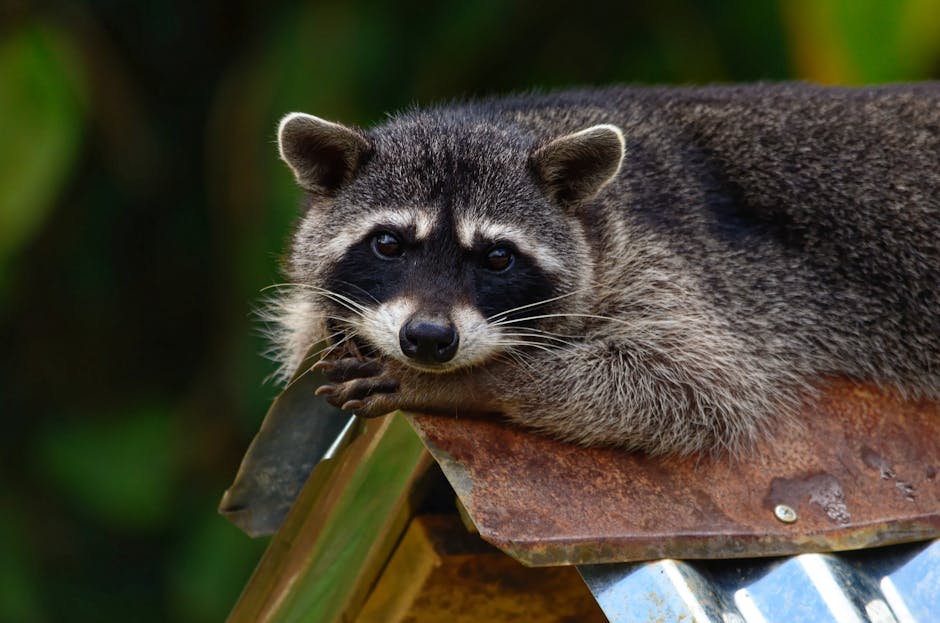
Raccoons combine intelligence, dexterity, and strength. They pry open shingles and soffits to reach attics, where they create dens and leave feces that can contain dangerous parasites like roundworm. A professional raccoon removal service understands their nocturnal habits and will secure all potential entry points after eviction.
Squirrels are persistent chewers. An attic infested with squirrels often shows gnawed electrical wiring, shredded insulation, and damaged structural wood. The National Fire Protection Association notes that rodents cause approximately 20-25% of unexplained house fires in the U.S. each year due to chewing. Effective squirrel trapping and exclusion are required to halt this destructive cycle.
Bats are protected under Tennessee law, making their removal a regulated process. A colony in your belfry or attic requires a meticulous bat exclusion strategy. This involves installing one-way devices that allow bats to exit but block re-entry, timed to avoid trapping flightless young inside.
Other frequent offenders include opossums nesting under decks, skunks digging for grubs in lawns, and snakes like copperheads or black rat snakes seeking shelter near foundations. Each scenario requires a tailored approach from a wildlife control expert familiar with local species.
Why Professional Removal Beats DIY Methods
Store-bought traps or home remedies may seem cost-effective, but they frequently waste time and resources while exacerbating the issue. Professional wildlife control prioritizes permanent resolutions over temporary fixes.
This comparison illustrates the critical differences:
| Consideration | DIY Attempts | Professional Wildlife Removal |
|---|---|---|
| Safety | High risk of bites, scratches, or exposure to diseases like rabies or histoplasmosis from droppings. | Technicians use protective gear, proper tools, and protocols to ensure human and animal safety. |
| Effectiveness | Often addresses only the visible animal, missing babies or secondary entry points. | Comprehensive inspection identifies all animals, entry points, and attractants for a complete solution. |
| Legal Compliance | May violate Tennessee laws regarding trapping and relocation of certain species. | All methods comply with state and local wildlife regulations. |
| Long-Term Result | The animal or a new one often re-enters through the same unsecured access point. | Includes wildlife exclusion repairs to seal the home and prevent future intrusions permanently. |
| Time & Cost | Repeated costs for traps, repairs, and potential property damage add up quickly. | One-time investment resolves the immediate issue and secures the property against future problems. |
Engaging a professional service converts a recurring problem into a closed case. They manage the hazardous work, providing documented solutions that can be valuable for insurance claims and future real estate disclosures.
The Professional Wildlife Removal Process
Reputable East Tennessee wildlife removal services adhere to a defined, multi-step methodology. This systematic process is the foundation of a lasting solution, ensuring animals are removed and prevented from returning.
1. Detailed Inspection and Assessment
The technician conducts a thorough examination of your property’s exterior and interior access areas, including attics and crawlspaces. They identify the species involved, estimate population size, locate every entry and exit point, and evaluate the scope of damage and contamination. This assessment forms the blueprint for the entire removal and repair plan.
2. Extraction
Using techniques specific to the animal, technicians safely remove the nuisance wildlife. Methods may include one-way exclusion devices, hands-on extraction, or specialized trapping.
3. Exclusion and Home Repairs
Removing the animal accomplishes little if the entry point stays open. This phase involves sealing every identified vulnerability with durable materials such as steel mesh, hardware cloth, and professional-grade sealants. This critical animal control measure transforms a simple removal into a durable fix. You can learn more about this vital service on our page about [link: wildlife exclusion and repair services].
4. Cleanup and Restoration
Wildlife infestations leave behind hazardous waste: droppings, urine, nesting materials, and food debris. These remnants pose health risks and can attract insects and new wildlife. Professional cleanup involves disinfecting, deodorizing, and removing contaminated insulation. In severe cases, complete attic restoration may be recommended to return the space to a safe, functional condition.
Choosing the Right Wildlife Removal Service
Companies offering critter removal vary in quality and expertise. In Cleveland, Athens, Ooltewah, and across Bradley County, selecting a trustworthy provider requires scrutiny of several key qualifications.
Verify that the company is fully licensed and insured. This protects you from liability should an accident occur on your property. Inquire about their specific experience with your problem. A company proficient in opossum removal may employ different tactics than one specializing in bat colonies.
Seek a company that guarantees its work. A warranty on exclusion repairs signals confidence in the quality and durability of the job. Finally, consider availability. Wildlife intrusions don’t adhere to a nine-to-five schedule. A service providing 24/7 emergency wildlife removal offers essential reassurance when you hear unsettling noises after dark.
We serve the entire region, delivering dependable professional wildlife removal for our neighbors. Whether you’re in Etowah or Chattanooga, our local teams are equipped to respond.
Preventing Future Wildlife Problems
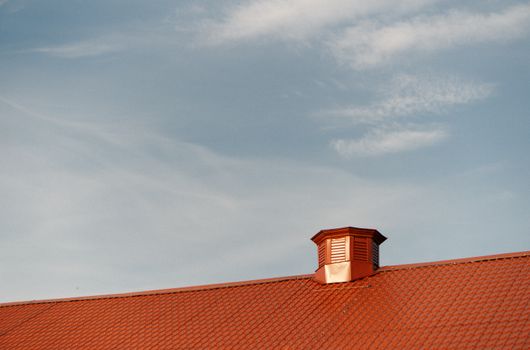
Once your home is professionally secured, simple maintenance practices can significantly reduce future risks. Effective pest management around your property minimizes attractants. Use trash cans with locking, secure lids. Install tight-fitting caps on chimneys and mesh covers over roof vents. Trim tree branches back at least six feet from your roofline to eliminate access routes. Store pet food indoors and promptly clean up spilled birdseed from feeders.
Conduct regular visual inspections of your home’s exterior, particularly after severe weather, to identify new gaps or damage. Early detection of a potential entry point allows for prompt repair before an animal discovers it. A vigilant homeowner, supported by the permanent exclusion work of a professional, creates a robust defense against nuisance wildlife.
Frequently asked questions
How much does wildlife removal cost in East Tennessee?
Costs vary based on the animal, the infestation size, and the repair work needed. A simple snake relocation may cost less than a full raccoon family removal with attic cleanup. Most companies provide free, detailed inspections with a transparent quote before any work begins.
Will you just trap and relocate the animal?
Relocation is often illegal and ineffective in Tennessee. Our primary method is exclusion, which humanely allows animals to leave but not return. We then permanently seal the entry points. This solves your problem without simply moving it to a neighbor.
How quickly can someone come out?
For urgent situations, like an animal inside the living space or a mother with babies in the attic, we prioritize emergency calls and often provide same-day service. For less urgent inspections, scheduling is typically within 24 to 48 hours.
Do you handle dead animal removal?
Yes. Removing carcasses from attics, crawlspaces, or walls is a common service. We locate and remove the animal, then disinfect and deodorize the area to eliminate odors and health risks.
Are the chemicals or cleaners used safe for my family?
Professional-grade disinfectants and deodorizers we use are EPA-registered and designed for wildlife cleanup. They are applied to make the area safe and are not hazardous to residents once the treatment is complete and the area has ventilated.
What should I do if I find a baby animal alone?
Do not attempt to handle or feed it. The mother is often nearby. Contact a wildlife professional immediately. Improper handling can harm the animal, cause the mother to abandon it, or put you at risk of injury or disease. A professional can assess the situation and determine the appropriate, humane course of action.
Ignoring sounds in your walls or damage to your vents allows a problem to intensify. Professional East Tennessee wildlife removal services provide a direct route from conflict to resolution. If you suspect an animal is sharing your home, the safest and most effective action is to contact a local expert for an inspection. Your home should be your sanctuary, not a refuge for wildlife.