

A raccoon tearing through your trash in Ooltewah or a squirrel scrambling in your Athens attic is more than a nuisance; it’s a threat to your property and safety. Cleveland, Tennessee’s mix of suburban neighborhoods and wooded areas creates ideal conditions for wildlife conflicts. Effective wildlife prevention tips for Cleveland Tennessee residents focus on making your property less inviting than the surrounding forest. This requires a systematic approach that addresses animal behavior, physical entry points, and available food sources.
Understanding Local Wildlife Behavior
Our region hosts animals with distinct patterns. Raccoons seek food and sheltered dens, often targeting attics and chimneys. Squirrels look for entry points as small as a golf ball to build nests. Snakes, including non-venomous rat snakes and occasionally copperheads, follow rodent activity. Skunks and opossums forage at night, drawn by accessible pet food and garbage. Knowing what attracts them is the first step in keeping them out. This knowledge informs every strategy, from choosing the right raccoon repellents to implementing snake exclusion methods.
Many prevention efforts fail because they address the symptom, not the cause. A one-way door on a raccoon den doesn’t help if your trash can is an easy target. Permanent solutions require a full property assessment. For persistent problems, our professional wildlife exclusion services identify and seal every potential entry point. A 2022 study by the University of Tennessee Extension found that properties with unsecured food sources were three times more likely to experience recurring wildlife intrusions, highlighting the need for comprehensive management.
Fortify Your Home’s Perimeter
Your home’s exterior is the primary barrier. Start with a detailed inspection. Look for loose vent covers, warped siding, rotting fascia boards, and gaps under decks. Pay special attention to the roofline, where squirrels and raccoons often gain access.
Deer deterrents are also part of perimeter defense in areas like Etowah, protecting gardens that might attract other wildlife. Motion-activated sprinklers or tall, sturdy fencing can discourage deer from browsing, removing a food source that can indirectly draw smaller animals. For example, an eight-foot fence is considered the standard for effectively excluding deer from residential gardens.

Key Areas to Secure
- Roof Vents and Chimneys: Install tight-fitting, corrosion-resistant vent covers and sturdy chimney caps.
- Soffits and Eaves: Repair any wood rot and ensure soffit panels are firmly attached with no gaps.
- Foundation and Crawlspace Vents: Use heavy-gauge wire mesh (1/4-inch hardware cloth) to cover openings.
- Utility Lines: Where pipes or wires enter the home, seal gaps with expanding foam or copper mesh.
Manage Food Sources and Attractants
Unsecured food is the top reason wildlife visits become wildlife infestations. This step is non-negotiable for effective prevention.
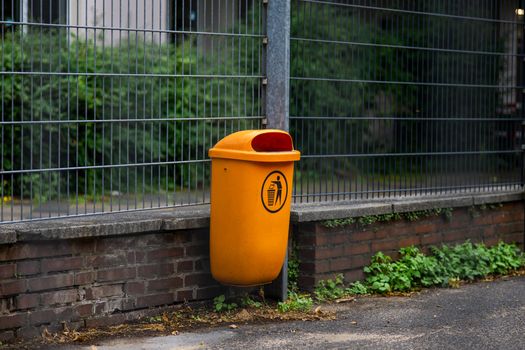
Invest in certified bear-proof trash cans or sturdy bins with locking lids. Store them in a garage or shed until morning pickup. Never leave pet food outdoors overnight. Clean grills thoroughly after use, and consider using grill covers. If you have fruit trees, pick up fallen fruit regularly. Bird feeders are major attractants; use trays to catch seeds or consider taking feeders down during spring and summer when natural food is abundant.
These actions significantly reduce interest from raccoons, opossums, skunks, and even coyotes. For problems with larger animals, understanding coyote hazing techniques, such as making loud noises or using a hose, can help reinforce that your yard is not a safe territory. The Tennessee Wildlife Resources Agency recommends hazing as a first-line response to coyotes becoming too comfortable in residential areas.
Targeted Strategies for Specific Nuisances
Different animals require tailored approaches. A one-size-fits-all solution rarely works. The following methods address the unique habits of common local pests.
Preventing Snakes
Snake exclusion methods focus on habitat modification. Keep grass trimmed short and remove piles of leaf litter, wood, or rock close to the house. Seal cracks in the foundation and around basement windows. Since snakes enter seeking rodents, eliminating the rodent population is the most effective long-term snake deterrent. This often requires professional help to remove existing rodents and seal their entry points. A single mouse nest can produce dozens of offspring in a year, creating a persistent food source for snakes.
Deterring Birds and Bats
For birds like starlings or sparrows nesting in vents, bird netting installation over eaves or garden areas can be effective. Proper bat house placement away from your home can provide an alternative roost for these beneficial, yet sometimes problematic, animals. Place a bat house on a pole at least 15 feet high in a sunny location, encouraging them to live there instead of your attic. Bats can consume thousands of insects nightly, so providing a designated house supports local ecology while protecting your structure.
Stopping Squirrels and Raccoons
Use squirrel baffles on bird feeder poles and utility lines leading to your roof. These conical barriers prevent agile climbers from gaining access. For raccoons, ensure garbage is secure and consider installing an electric wire fence around garden ponds if they are raiding fish. Persistent raccoon issues often mean a den is nearby; humane raccoon removal can resolve the immediate problem so exclusion work can begin. Raccoons are intelligent and dexterous, capable of opening simple latches, which is why locking mechanisms on bins are critical.
| Animal | Primary Attractant | Key Prevention Action |
|---|---|---|
| Raccoon | Garbage, pet food, shelter | Locking trash cans, secure pet food, seal attic vents |
| Squirrel | Bird seed, attic nesting sites | Squirrel baffles, tree trimming, chimney caps |
| Snake | Rodents, cool damp shelters | Rodent control, remove debris, seal foundation cracks |
| Skunk/Opossum | Lawn grubs, fallen fruit | Treat lawns for grubs, harvest fruit, secure crawlspace |
When Prevention Fails: Professional Intervention
Despite your best efforts, wildlife can still find a way in. Hearing noises in your walls or seeing an animal on your property requires a specific response. DIY removal is often unsafe and ineffective. State laws regulate the handling of many species, and skunk trapping guidelines or opossum relocation laws in Tennessee are strict to prevent the spread of disease.
This is when professional services are essential. We provide 24/7 emergency wildlife removal for Cleveland and surrounding areas. A technician will safely remove the animal, identify how it entered, and recommend repairs to prevent a recurrence. This comprehensive approach, removal, cleanup, and exclusion, is the only way to guarantee a permanent solution. Professionals also handle biohazard cleanup, which is crucial after an infestation to eliminate odors and disease pathogens that can attract new animals.

Creating a Long-Term Wildlife-Resistant Property
Consistency turns prevention tips into lasting habits. Schedule seasonal property checks. In spring, look for winter damage and new animal activity. In fall, animals seek warm dens, making it a critical time to ensure your home is sealed. Maintain your landscaping by trimming tree branches at least six feet from the roof and keeping shrubs away from the foundation.
Talk to your neighbors. Wildlife prevention is more effective when done communally. If one house on your street in Chattanooga leaves trash out, it can attract pests for the entire block. Sharing simple strategies can elevate protection for everyone. Consider organizing a neighborhood walk to identify common attractants, such as overgrown vegetation or unsecured compost piles, that could serve as a wildlife corridor.
Frequently asked questions
What is the most common wildlife entry point in Cleveland homes?
Roof and attic vents are the most frequent entry points. Animals like squirrels and raccoons exploit loose or damaged vent covers to access warm, sheltered attic spaces for nesting. Regularly inspecting and reinforcing these vents with professional-grade covers is a highly effective prevention step. After severe weather, a quick check of these areas can catch damage before wildlife does.
Are ultrasonic pest repellents effective for wildlife?
Most ultrasonic devices show limited effectiveness against determined wildlife. Animals often acclimate to the sound, and the high-frequency waves cannot penetrate walls or furniture. Physical exclusion and attractant removal provide far more reliable, long-term results for Cleveland homeowners. The Federal Trade Commission has taken action against several manufacturers for making unsupported claims about these devices’ efficacy.
When should I call a professional for wildlife prevention?
Contact a professional if you hear persistent noises in walls or attics, see an animal actively entering your home, or discover significant damage like chewed wires or ductwork. It’s also wise to schedule a professional inspection if your DIY prevention efforts have not stopped recurring issues. Our [link: local wildlife removal experts] can provide a thorough assessment. Early intervention typically reduces repair costs and prevents animals from establishing a breeding site in your home.
Is it legal to trap and relocate an animal myself in Tennessee?
Tennessee has specific regulations that often prohibit the relocation of trapped wildlife due to disease risks and ecological concerns. Many species, like skunks or raccoons, may require euthanasia if captured. Always check current state and local laws or consult a licensed professional to ensure compliant and ethical handling. Relocating an animal often simply transfers the problem to another property and can spread illnesses like rabies or distemper.
How can I make my garden less attractive to wildlife without harming plants?
Select plants that are less palatable to deer and rabbits, such as lavender, sage, or marigolds. Use raised beds with hardware cloth buried underneath to prevent burrowing animals from accessing roots. Install low-voltage electric fencing around vegetable plots, which delivers a harmless shock. Regularly turning compost piles accelerates decomposition and reduces odors that attract scavengers like raccoons and opossums.