A raccoon just tore through your soffit. You hear squirrels scrambling in the attic at dawn. In Cleveland, Tennessee, these are common calls we get. When wildlife invades, you need clear answers fast. This wildlife removal FAQ for Cleveland TN addresses the most urgent questions local homeowners have about dealing with nuisance animals safely and permanently.
What Animals Are Considered Nuisance Wildlife in Cleveland?
Nuisance wildlife refers to animals that cause property damage, health hazards, or safety concerns when they enter human spaces. In our area, this list is specific. The most common culprits are squirrels, raccoons, and opossums. We also handle frequent calls for skunk removal, snake removal, and bat exclusion. Less common but significant are issues with beavers in ponds or streams and foxes near poultry.
It’s not just about the animal itself, but its behavior. A single snake in the garden may not be a problem, but a nest of raccoons in your chimney is. Effective pest wildlife management starts with accurate identification. If you’re unsure what’s in your attic or under your deck, call for a professional inspection. emergency wildlife removal is available any time for immediate threats.
Why Can’t I Just Trap and Relocate the Animal Myself?
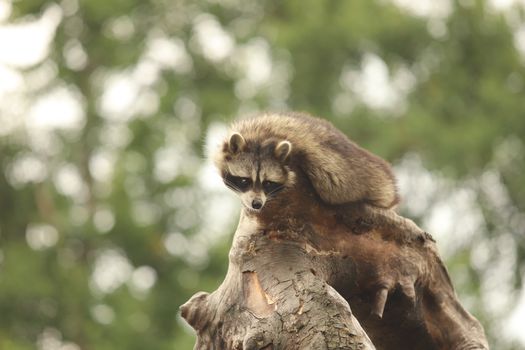
This is one of the most critical questions in any wildlife removal FAQ. Tennessee state law heavily regulates the trapping and relocation of many wild animals. For species like raccoons, relocation is often illegal because it can spread disease. It also rarely solves your problem. Removing one animal leaves a vacant, attractive den for another to move into.
Our approach focuses on permanent exclusion. We safely remove the animal, then identify and seal every possible entry point. This solves your current infestation and prevents the next one. DIY trapping often leads to orphaned young animals left behind in walls, creating worse odors and hazards. For a job like squirrel trapping, special traps and techniques are needed to ensure all animals are accounted for.
What Does the Wildlife Removal Process Actually Involve?
A professional wildlife removal service follows a proven, multi-step process designed for safety and long-term results.
- Inspection: A technician conducts a thorough interior and exterior inspection to identify the species, entry points, and extent of damage.
- Humane Removal: Using industry-approved techniques and tools, the animals are removed from the structure.
- Exclusion & Repair: This is the most vital step. All entry points are sealed with professional-grade materials. We also perform necessary wildlife damage repair to soffits, vents, or roofing.
- Cleanup & Sanitization: We remove contaminated insulation, droppings, and nesting materials, then apply sanitizing agents to eliminate health risks.
This comprehensive method is what separates professional animal control services from a simple trapper with a cage. You can learn more about the protective measures we take on our page about wildlife exclusion services.
How Much Does Professional Wildlife Removal Cost?
Cost depends on the animal, the infestation’s severity, and the repair work needed. A simple snake removal from a garage will cost less than a full raccoon removal and attic restoration. Most companies provide free, upfront estimates after an inspection.
Consider the cost of *not* hiring a professional. Wildlife can chew electrical wires, causing fire risks, or destroy insulation, leading to high energy bills. The value lies in a guaranteed, permanent solution. Investing in proper critter control now saves thousands in future repairs. The table below outlines typical factors influencing the final price.
| Cost Factor | Description | Common Examples |
|---|---|---|
| Animal Type | Removal complexity and risk vary by species. | Raccoons, bats, and snakes each require different tools and safety protocols. |
| Infestation Scope | Number of animals and area affected. | A single squirrel vs. a family of raccoons with young. |
| Repair & Exclusion | Extent of damage and number of entry points to seal. | Replacing a vent vs. repairing extensive chewed roof decking. |
| Biohazard Cleanup | Amount of waste, urine, and contaminated material to remove. | Sanitizing a small crawlspace vs. replacing an entire attic’s insulation. |
Is Wildlife Removal Covered by Homeowners Insurance?
Sometimes. Insurance typically covers sudden, accidental damage caused by wildlife, like a raccoon breaking a window. However, it rarely covers the cost of removing the animal or sealing the entry point to prevent re-entry. It also does not cover damage from long-term infestations considered a maintenance issue. Always check your specific policy and document all damage with photos. For example, a 2022 report by the Insurance Information Institute noted that while damage from a sudden event like a fallen tree hitting a roof is covered, gradual damage from pests often is not.
What Are the Biggest Health and Safety Risks?
Ignoring a wildlife problem poses real dangers. Animals carry parasites like ticks and fleas. Their droppings can harbor serious pathogens. Raccoon roundworm, found in feces, is a severe hazard. Histoplasmosis is a respiratory disease linked to bat guano. Beyond disease, animals chewing electrical wiring is a leading cause of electrical fires in homes. According to the National Fire Protection Association, rodents alone are responsible for an estimated 20-25% of all fires of unknown origin in the U.S., largely due to wire damage.
Physical threats are also real. A cornered raccoon or a mother squirrel protecting her young can be aggressive. This is why we strongly advise against homeowners attempting direct contact. Safe handling requires training and protective gear. Our raccoon removal and squirrel removal service protocols are designed to mitigate these risks completely.
How Can I Prevent Wildlife From Getting In?
Prevention is the best form of pest wildlife management. After we’ve secured your home, a few habits can keep it that way.
- Secure Trash: Use locking lids or keep cans in a garage. This is the number one way to discourage raccoons.
- Trim Branches: Keep tree limbs at least 6-8 feet away from your roofline to limit squirrel access.
- Seal Food: Keep pet food indoors and use secure lids on compost bins.
- Regular Inspections: Periodically check your home’s exterior for new gaps, loose vents, or rotting wood.
For persistent problems like beaver control on larger properties, professional deterrents and habitat modification may be necessary. Our team serves the entire region, including local service areas like Athens, Etowah, and Ooltewah. A case from last spring involved a homeowner in Etowah who had repeated squirrel intrusions. After we installed custom-fitted metal flashing on all roof vents and trimmed back three large oak trees, the problem ceased entirely.
Frequently asked questions
What should I do if I have a wild animal in my house right now?
Stay calm and keep your distance. Do not attempt to corner or catch the animal. Secure pets and children in a separate room. If the animal is in an enclosed space like a bedroom, open an exterior door or window and leave the room to give it an escape route. For animals in attics or walls, immediate professional help is best. Call for 24/7 emergency removal.
How quickly can someone come out for wildlife removal in Cleveland?
For true emergencies, we can often be on-site within a few hours. We prioritize situations involving aggressive animals, sick animals, or animals inside living spaces. Standard inspections for noises in the attic are typically scheduled within 24-48 hours. We understand the stress of an invasion and work to resolve it as quickly as possible.
Do you remove dead animals from properties?
Yes. Removing carcasses from crawlspaces, walls, or yards is a common service. A dead animal creates severe odor and sanitation issues and attracts insects and other scavengers. We locate the carcass, remove it safely, and deodorize the area to neutralize the smell.
What’s the difference between wildlife removal and extermination?
Extermination, or pest control, typically uses pesticides to eliminate insects or rodents like mice. Wildlife removal deals with larger mammals and reptiles that cannot be controlled with poisons. Our methods are humane, focusing on live removal and exclusion. We solve the structural problem that allowed the animal inside, whereas extermination often only addresses the symptom.
Can you help with birds or bats in my chimney?
Absolutely. Birds and bats are common chimney invaders. We safely remove them and install a proper chimney cap to permanently exclude them. It is crucial not to use a fireplace with an active bird or bat nest inside, as it can lead to smoke backup or harm protected species.
How long does the smell from wildlife urine or a carcass last after removal?
Without professional cleaning, odors can persist for weeks or even months. The smell from urine soaks into wood and insulation, while a decomposing carcass releases greasy fluids into building materials. Our sanitization process uses industrial-grade enzymatic cleaners and ozone treatments to break down odor molecules at the source. In most cases, we can eliminate the smell completely in a single visit, preventing it from returning as temperatures change.