
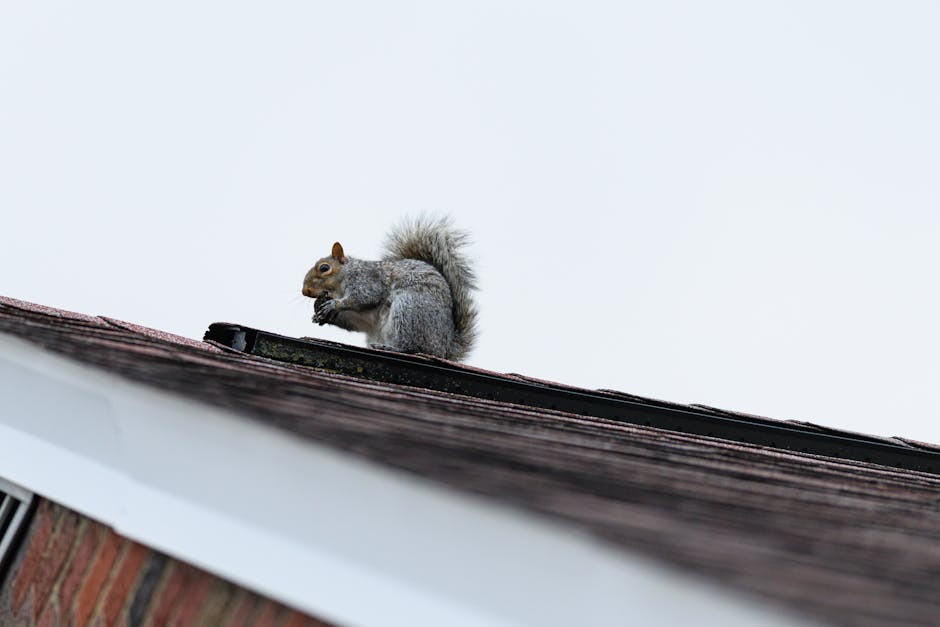
That frantic scratching above your bedroom ceiling is more than a nuisance. It is often the sound of a squirrel actively causing damage to your attic roof in Cleveland, TN. Eastern gray squirrels, common in Bradley County, are agile rodents with sharp teeth that never stop growing. They gnaw on wood, electrical wiring, and roofing materials to gain entry and maintain their teeth. This behavior leads to serious and expensive structural problems. Ignoring the noise can mean water leaks, electrical fires, and a compromised roof over your family’s head.
How Squirrels Inflict Damage on Your Roof and Attic
Squirrels target attics for shelter, especially during spring and fall. They do not need a large hole to get in. A gap as small as an inch and a half is an open invitation. They exploit weak spots in your roof’s armor.
Common entry points include damaged or rotten fascia boards, loose or missing roof vents, compromised soffits, and areas around chimneys or dormers. Once a squirrel finds a vulnerable spot, it will chew and claw to enlarge the opening. This initial breach is the first act of roof damage. The animal then uses your attic as a nesting site, storage for nuts, and a latrine, multiplying the problems.
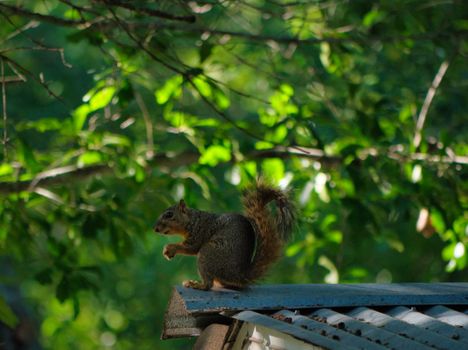
The Direct Damage: Chewing, Nesting, and Contamination
Inside the attic, the destruction accelerates. Squirrels chew on wooden beams, rafters, and trusses to shape their nests, weakening the framing that supports your roof. Their most dangerous habit is chewing on electrical wires. This strips the insulation, creating a significant fire hazard that local fire departments attribute to numerous house fires each year.
Their nesting materials, often shredded insulation, paper, and leaves, block proper ventilation. This trapped moisture can lead to wood rot and mold growth. Furthermore, squirrel droppings and urine accumulate quickly, soaking into insulation and wood. This waste poses health risks, contaminates your attic air, and creates persistent odors that can seep into your living spaces.
Recognizing the Signs of Squirrel Activity
Early detection minimizes repair costs. Homeowners should be alert for specific sounds and visual cues. Hearing loud rolling or scampering noises during the day is a primary indicator, as squirrels are diurnal. Listen for consistent chewing or gnawing sounds, particularly at dawn and dusk.
Outside, look for visible damage. Check for torn or bent roof vents, gaps along roof lines, and holes near roof edges. You might find pieces of chewed wood, insulation, or shingles in your gutters or on the ground. Inside the attic, evidence includes piles of nesting material, droppings that resemble dark rice grains, and obvious trails through the insulation.
| Sign | Location to Check | What It Means |
|---|---|---|
| Daytime Scratching/Running | Ceilings, Walls, Attic | Active squirrel presence, likely nesting. |
| Chewing Sounds | Eaves, Attic, Walls | Squirrels enlarging entry points or gnawing on structure. |
| Visible Exterior Holes | Roof Edges, Soffits, Vents | Confirmed entry point requiring immediate exclusion. |
| Nesting Debris & Droppings | Attic Floor, Insulation | Established infestation causing contamination. |
The Real Cost: From Roof Repair to Health Hazards
The financial impact of squirrel damage extends far beyond a simple patch job. Initial roof damage from the entry hole can lead to water intrusion during our frequent Tennessee rains. This water rots sheathing and rafters, compromises insulation, and promotes mold, which requires extensive home restoration.
The contaminated insulation loses its R-value and must be removed and replaced for your home to be energy-efficient again. The most severe risks, however, are hidden. Chewed electrical wires can short-circuit and spark fires. According to the National Fire Protection Association, rodents are a documented cause of thousands of electrical fires annually. Parasites and diseases, like leptospirosis or salmonella, can be present in their waste, circulating through your HVAC system. Effective pest management for wildlife addresses these health dangers directly.
Why DIY Squirrel Removal Often Fails
Many homeowners in Cleveland try store-bought traps or deterrents first. This approach usually leads to a recurring problem. You might catch one squirrel, but if babies are left inside, they will die and create a severe odor issue. More critically, you have not addressed the entry point. Other squirrels will find the same hole, restarting the cycle of damage.
Wildlife control is a specialized field. Professionals understand squirrel behavior, locate all entry points, and know how to remove animals safely and humanely, in compliance with Tennessee wildlife regulations. They also implement the crucial step of rodent exclusion, permanently sealing the home to prevent re-entry.
The Professional Solution: Removal, Exclusion, and Repair
A permanent solution requires a three-step process executed by experts. The first step is humane squirrel removal. This involves identifying all active animals, using proven methods to extract them, and checking for dependent young. Reputable companies provide this as a 24/7 service, as wildlife problems do not keep business hours.
The second, and most important, step is comprehensive wildlife exclusion. This is not just filling a hole. It involves a full inspection of your roofline, soffits, vents, and fascia. Professionals then seal every potential entry point with durable materials like steel mesh or hardware cloth that squirrels cannot chew through. This animal proofing service is what guarantees the problem will not return next season.
The final step is attic repair and restoration. This includes removing all contaminated insulation, sanitizing the affected areas to eliminate health risks, and installing new insulation. Any structural wood damage or roof damage is repaired to restore the integrity and safety of your home. Many companies, like ours, offer integrated wildlife removal services that handle the entire process from start to finish.
Protecting Your Cleveland Home from Future Invasions
After your home is secured, ongoing prevention is straightforward. Schedule annual inspections, especially in early fall, to check for any new vulnerabilities. Keep tree branches trimmed back at least six to eight feet from your roofline. Ensure all roof vents have proper, damage-resistant covers.
Monitor your attic periodically for signs of new activity. A proactive relationship with a local wildlife control expert is the best defense. They can provide maintenance checks and quickly address minor issues before they become major infestations, saving you significant money and stress. For homes in nearby communities like Athens or Ooltewah, finding a provider familiar with the area’s specific wildlife patterns is equally important.
Taking Action Against Squirrel Damage
Squirrel damage to your attic roof in Cleveland, TN, is a problem that escalates daily. The longer animals remain, the more destruction they cause and the higher your repair bill climbs. The sound in your attic is a warning you should not ignore. Professional intervention stops the immediate damage and provides the permanent exclusion needed for long-term peace of mind. Do not let a small gap become a major financial burden. If you hear the signs, the most effective step is to contact a professional for a thorough inspection and a definitive plan to reclaim your attic.
Frequently asked questions
How much does it cost to remove squirrels and repair the damage in Cleveland?
Costs vary based on the infestation size and damage extent. Simple removal and exclusion for a single entry point may start in the hundreds. If significant attic repair, sanitization, and insulation replacement are needed, costs can rise into the thousands. An on-site inspection provides an accurate quote. Investing in professional exclusion prevents repeated costs from DIY failures.
Will my homeowners insurance cover squirrel damage in Tennessee?
It depends on your specific policy. Many standard policies cover sudden, accidental damage from wildlife, such as a hole chewed in your roof leading to water damage. However, they often exclude the cost of removing the animal itself or repairing the entry point. You should contact your insurance agent to review your coverage details and documentation requirements.
How long does the entire squirrel removal and exclusion process take?
A standard job for a typical home can often be completed within one to three days. Day one involves inspection, humane removal, and setting one-way exits if needed. After ensuring all animals are out, the exclusion sealing and basic repairs are completed. Extensive restoration work like major insulation replacement may add additional time. Professionals work efficiently to secure your home as quickly as possible.
What’s the difference between wildlife removal and animal proofing?
Wildlife removal is the act of safely extracting the live animals from your property. Animal proofing, also called exclusion, is the subsequent process of permanently sealing all potential entry points to prevent animals from getting back in. Removal solves the immediate problem, but exclusion is what provides the lasting solution. Any effective service must include both.
I hear noises at night. Could it still be squirrels?
Squirrels are primarily active during daylight hours. If you hear loud thumps, scratches, or rolling noises at night, you may have a different animal, such as a raccoon or an opossum. It is crucial to correctly identify the pest, as removal strategies differ. A professional inspection can accurately determine which animal is in your attic and recommend the correct course of emergency wildlife removal for your situation.